How to Digitize a Plant: A Step-by-Step Guide to Industry 4.0
Industrial digitalization is no longer a future project; it has become an imperative for competitiveness today. In the manufacturing and automotive clusters of Saltillo and Monterrey, companies face daily pressure to increase efficiency, reduce costs, and guarantee full traceability of their products. However, the concept of "digitizing a plant" can sound abstract or overwhelming to many executives and process engineers.
Digitizing doesn't simply mean filling production lines with touchscreens or buying expensive software licenses. The real value of digital transformation lies in interconnecting machines, information systems, and human talent to create a continuous flow of data that optimizes decision-making.
In this comprehensive guide, we walk step by step through how to digitize a manufacturing plant, from the initial assessment on the production floor to advanced automation, ensuring a clear and measurable return on investment (ROI).
Phase 1: Digital Maturity Assessment and Basic Infrastructure
The most common mistake when starting to digitize a plant is buying technology without first evaluating the current state of the physical infrastructure and processes.
1. Assess the Production Floor (The Technology Legacy)
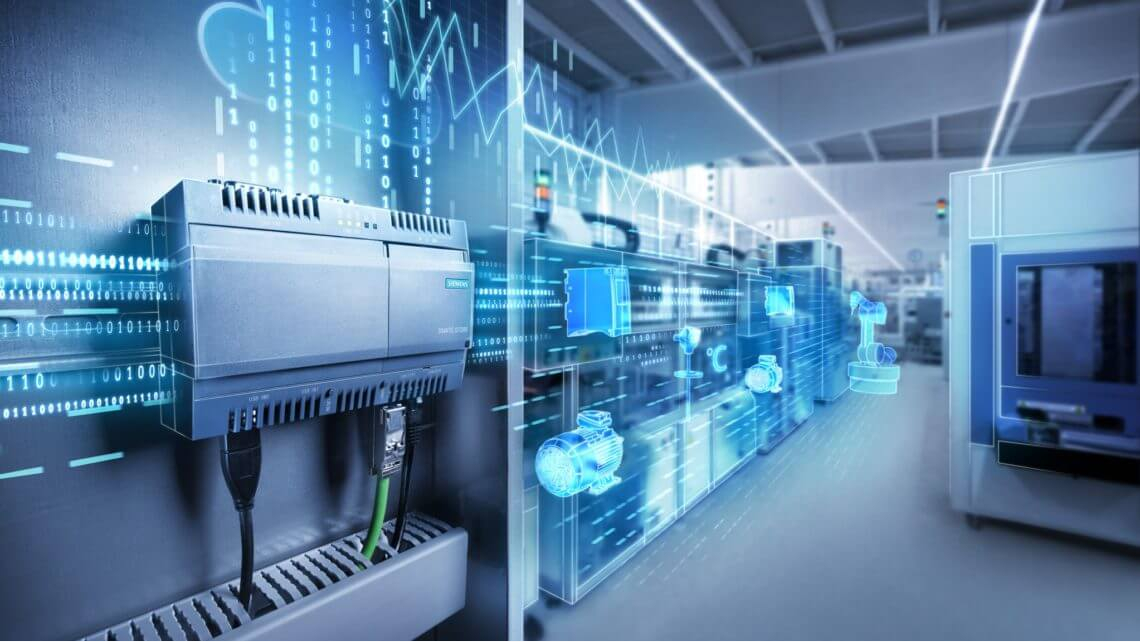
A real plant usually has a mix of modern machinery (with advanced communication interfaces) and older "legacy" equipment that lacks connectivity. The first step is to audit critical machines, identify which Programmable Logic Controllers (PLCs) or sensors they have, and determine how their signals can be extracted.
2. Ensure Industrial Network Connectivity
Data can't travel without a solid highway. Plants in Monterrey and Saltillo often fail in their digitalization projects because their network infrastructure (industrial Wi-Fi and structured cabling) isn't designed to withstand electromagnetic interference or the long distances of an industrial building. Before installing software, you must ensure a robust, secure, and segmented network.
Phase 2: Eliminating Paper and Capturing Data at the Source
The fastest way to get a return on investment from digital transformation is to eliminate logbooks, whiteboards, and handwritten reports.
3. Deploy Operational Mobile Apps
To digitize operator tasks (such as quality inspections, inventory counts, safety audits, or maintenance checklists), custom mobile apps should be deployed. By using industrial tablets or handheld devices at workstations, information is captured right at the source, eliminating manual transcription errors and the time lag of Excel sheets.
4. Basic Sensor Connectivity (IIoT)
If a machine doesn't have a modern PLC to send data, low-cost external sensors (photoelectric, temperature, or vibration sensors) can be installed and connected to Industrial Internet of Things (IIoT) terminals. This makes it possible to start recording basic variables such as part counts or cycle times automatically, without altering the machine's internal software.
Phase 3: Visual Centralization and Real-Time Monitoring
Once data is flowing from the production floor, the next challenge is turning it into information that supervisors and plant managers can understand.
5. Develop Industrial Dashboards and KPIs
Raw data is useless if it just sits in a database. You need to design visual dashboards and real-time key performance indicators (KPIs) such as OEE (Overall Equipment Effectiveness), production rate (Throughput), and scrap rate. These dashboards, displayed on andon screens above the assembly lines, allow the floor team to react immediately to any deviation from the daily plan.
6. Integrate Automated Alert Systems
Digitizing a plant means moving from reactive to proactive management. Configure the system so that if a critical machine stops or scrap exceeds an allowed limit for more than 5 minutes, automatic notifications are sent by text message or email to the maintenance and quality departments.
Phase 4: Vertical Integration (From the Production Floor to Business Systems)
True Industry 4.0 is achieved when operational information communicates directly with the corporation's financial and commercial decisions.
7. Synchronize Shop-Floor Software (MES) with the ERP
The production floor (OT) and the administrative offices (IT) must speak the same language. By integrating custom software solutions with the company's central ERP system (such as SAP, Oracle, or Microsoft Dynamics), production orders created by sales are automatically turned into digital instructions for the machines, and inventory consumed in logistics warehouses is deducted in real time.
The 3 Main Challenges of Digitizing a Plant and How to Overcome Them
- Resistance to Change: Operators and supervisors used to paper may view technology with distrust. The solution is to involve them from the start in designing the visual interfaces (UI/UX), ensuring the apps are intuitive and make their daily work easier rather than harder.
- Industrial Cybersecurity: Connecting the plant to the local network or the cloud exposes control systems to potential attacks. It is essential to implement strict access control protocols, industrial firewalls, and network segmentation to protect intellectual property and operational continuity.
- Lack of Strategic Focus: Trying to digitize the entire plant at once tends to spread resources thin and cause frustration. The right path is to select a "pilot line" or bottleneck cell, prove the project's success and ROI there, and then replicate the model across the rest of the plant.
Conclusion
Digitizing a manufacturing plant isn't a technology expense; it's an investment in operational resilience. By interconnecting your equipment, automating KPI measurement, and empowering your staff with real-time mobile and visual tools, your company will not only optimize its current profit margins but also position itself firmly as a reliable, world-class supplier for global supply chains.
Ready to start your plant's digital transformation in Monterrey or Saltillo?
You don't have to go through this process alone. At LT CODER we specialize in developing Custom Software, Industrial Dashboards, and Technology Infrastructure for Industry 4.0. We help you from the physical assessment of your lines to the full integration of your systems.
Schedule a digital assessment workshop with our specialized engineers